

This attraction of a standalone stove is unquestionable, presenting a mix of coziness, visual charm, and cost-effectiveness. If Free Standing Stove Installation Woodside Dundee ’re drawn to the hissing flames of a wood-burning stove, the convenience of gas, or the modern touch of a pellet-burning stove, installing one in your home can significantly improve your home environment. Nonetheless, the process can appear overwhelming, particularly for new homeowners. Comprehending the intricacies of setup can bring all the distinction, ensuring not only effectiveness but also security and adherence with local standards.
Through this thorough guide, we will be guide you through the necessary steps and aspects for putting in a freestanding stove. Beginning with selecting the proper location and understanding clearance requirements to ensuring adequate venting and selecting between varieties of stoves, we will cover everything. In conclusion, by the end of this piece, you will be prepared with the insight you need to handle your stove setup with confidence or to work efficiently with a qualified installer, bringing the comforting warmth of a free-standing stove into your home.
Setup Manual for Independent Stoves
Installing a free-standing stove can be a satisfying project that enhances your home's comfort and environment. To start, select a suitable location that follows clearance standards and provides sufficient space for safe operation. Look for a flat, stable surface, and ensure the area is free of any combustible materials. Check your stove's manual for detailed installation directions, as different types of stoves—wood, gas, or pellet—may have individual criteria.
Once you have your location chosen, the next step requires preparing the hearth pad. A proper hearth is important for protecting your floor from burn risks and provides a safe foundation for your stove. You can build a hearth pad using non-combustible materials such as tile or concrete. Make sure your hearth pad protrudes beyond the stove's edges and front, as outlined in your stove's clearance guidelines. Additionally, plan for your stove pipe installation, which will need to safely exhaust outside.
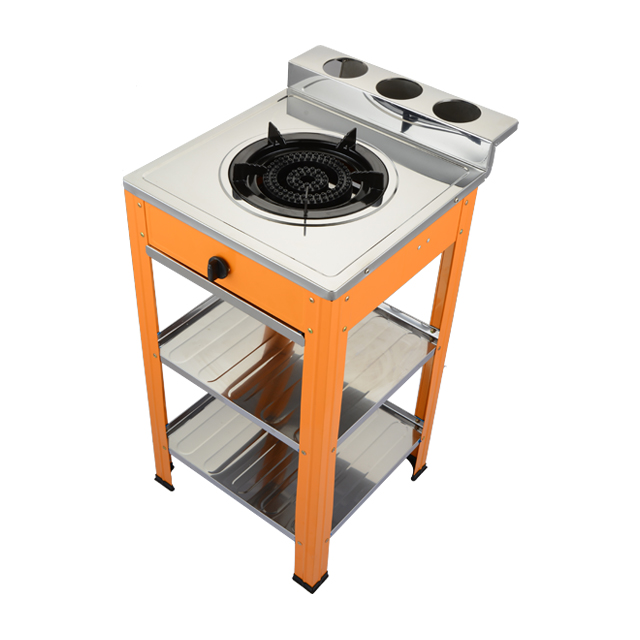
Before completing the installation, double-check local regulations regarding licensing and safety standards. Ensure your stove is correctly vented, with attention to whether roof or wall venting is the most suitable choice for your setup. This requires assessing your home’s design and airflow design. If you are unsure about any part of the installation, think about consulting a contractor to ensure the setup meets safety standards and functions efficiently.
Security and Upkeep Considerations
When installing a free-standing stove, ensuring your safety and maintaining your appliance is crucial. First, proper installation is vital to prevent fire hazards. Follow the clearance guidelines carefully, as this dictates how near your stove can be to walls and other combustibles. Make sure to check local building codes, as compliance is not just about safety but may also be required for coverage purposes. Importantly, detect any incorrect installations promptly by performing regular inspections of your stove and its components.
Caring for your standalone stove involves frequent cleaning and inspections to ensure effective and secure operation. For wood and pellet stoves, you should maintain the firebox, chimney, and venting system frequently to prevent soot buildup and creosote formation. Gas stoves also need periodic checks for gas line leaks and correct functioning of burners. Installing carbon monoxide and smoke detectors in proximity to your stove will notify you to potential dangers, adding an extra layer of security.
Finally, be proactive about annual maintenance, which often involves scheduling professional inspections. A thorough check-up will not only confirm that your stove is in top condition but also provides peace of mind. Addressing minor issues promptly can help avoid bigger problems down the line, making your home more secure and more enjoyable during the heating season.
Price and Setup Options
When considering the buying and installation of a standalone stove, grasping the potential costs is important. The total expense includes not just the cost of the stove itself but also related materials such as stove pipes, venting systems, and any required hearth pads. The difficulty of the setup process can also affect the final price, with fees varying based on the type of stove and the setup requirements. Generally, homeowners should anticipate spending anywhere from a few hundred to several thousand dollars based on their selection of stove and the specifics of the installation situation.
Homeowners have two main options for installation: DIY or selecting a contractor. A do-it-yourself approach can save money and allow for a personal touch, but it requires a good understanding of installation guidelines, local codes, and safety measures. For some, especially those not experienced with home improvement tasks, hiring a seasoned installer may be the best route. A professional can provide essential expertise, ensuring that the stove is installed correctly and safely, while also navigating any permitting requirements with local authorities.
In any case, it is important to assess the benefits of each option. DIY installations can be rewarding and cost-effective, provided that the necessary precautions are followed. On the other hand, contractor setups offer peace of mind, ensuring that all safety protocols are followed and potentially saving time in the long run. Ultimately, the decision will depend on both the homeowner's comfort level with complex installations and the unique needs of their home and family.