

As the cold season draws near, the challenges of maintaining reliable roadways are heightened. Snow and ice can transform familiar streets into hazardous conditions, leading to increased accident rates and possible dangers to public safety. In this context, professional winter road services play a crucial role in ensuring that roads remain accessible and safe for all users. From de-icing and snow shoveling to effective weather monitoring, these services are essential for maintaining order during the harsh winter months.
Comprehending how these professional services operate, and the strategies they employ can help communities become more prepared for seasonal winter conditions. This article explores the multiple facets of professional winter road services, emphasizing their importance for public safety, accident reduction, and operational effectiveness for businesses. We will discuss best methods, technological advancements, and the sustainability factors of winter road maintenance while providing a comprehensive guide for local authorities and property owners seeking to adopt effective winter strategies.
Value of Specialized Cold Season Highway Solutions
Cold season road situations pose considerable obstacles to societal safety, making expert cold season road services essential. Such professional services ensure that highways are kept clear of ice and frozen water, allowing for protected travel for all road users, including pedestrians, bikers, and motorists. Proper maintenance lowers the likelihood of accidents, which can increase dramatically during harsh climatic events. By investing in expert services, local governments and companies not only comply with protection regulations but also safeguard their neighborhoods from cold-season incidents.
Efficient winter highway maintenance is crucial for lowering incidents during snowy conditions. When highways are not properly treated, the chance of losing control, collisions, and other hazardous situations increases. Expert services make use of innovative techniques, such as street treatment and the application of anti-icing agents, to boost road safety. By integrating efforts with meteorological tracking and tools, these services can actively manage street conditions and respond swiftly to shifting climatic patterns, significantly boosting safety for every body.
Moreover, expert seasonal street services play a crucial role in keeping organizations functioning during extreme weather conditions. Organizations rely on effective access routes for logistics and service delivery, which can be jeopardized by poor road maintenance. Delegating winter street services allows organizations to devote attention on their core functions while ensuring that their locations remain accessible and secure for staff and customers. This proactive approach not only reduces hazards but also fosters public assurance in local solutions during the cold season period.
Effective Techniques for Seasonal Road Maintenance
Effective winter road maintenance begins long before the initial snowfall. Setting up roads with a proactive strategy includes conducting regular assessments of the road network to identify critical areas susceptible to snow and ice accumulation. Partnership with meteorological services to monitor weather patterns allows maintenance teams to deploy resources in anticipation of severe conditions. Additionally, road authorities should invest in advanced technology, such as GPS tracking and automated calibration systems for salt spreaders, to enhance the efficiency and accuracy of their operations.
Implementing a well-defined gritting schedule is essential to minimize road hazards. This necessitates prioritizing major roads, intersections, and steep inclines for early treatment while ensuring that residential and minor thoroughfares receive timely attention as conditions worsen. Utilization of both de-icing and anti-icing techniques is crucial, as the former works to remove existing ice while the latter helps prevent ice formation. Training personnel in these methods, along with proper equipment usage, ensures optimal results and maximizes road safety.
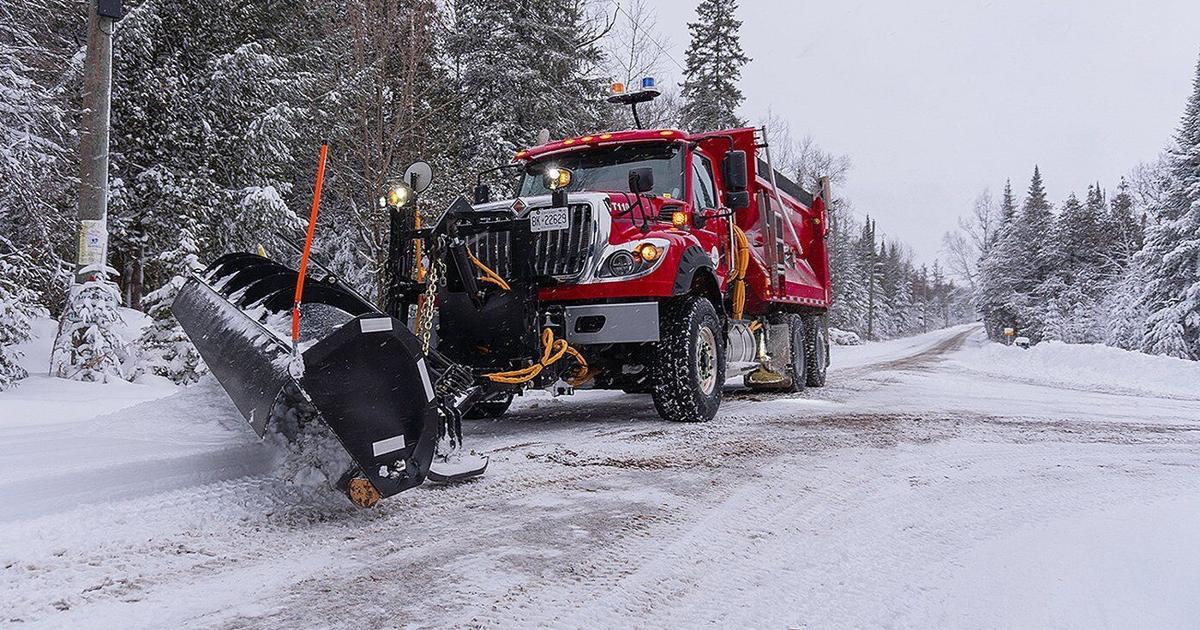
Continuous evaluation and adjustment of winter road maintenance practices are essential for success. After each winter season, conducting thorough reviews of events, response strategies, and treatment effectiveness can provide valuable insights for subsequent operations. Interacting with community feedback and exploring sustainable practices, such as using eco-friendly de-icing agents and optimized routes for snow clearance, can enhance public trust while reducing the environmental impact. By committing to these best practices, road agencies can significantly improve winter safety and infrastructure resilience.
Tech and Advancements in Winter Services
The landscape of winter highway maintenance has significantly evolved with the integration of advanced technologies and new practices. website and remote sensing technology are increasingly used to track road conditions in real time, allowing service providers to assess the extent of meteorological effects with accuracy. This timely identification aids in deploying resources more effectively and ensuring that winter maintenance efforts are prompt and targeted, eventually enhancing public safety.
Additionally, the creation of smart gritters equipped with GPS and automated systems has transformed the way road gritting and de-icing treatments are applied. These vehicles can determine the optimal amount of de-icer needed based on existing road conditions and weather forecasts, minimizing waste and boosting the effectiveness of treatments. Such innovations not only reduce costs but also lessen the environmental impact associated with excessive chemical use.
Additionally, predictive analytics and weather forecasting play crucial roles in shaping anticipatory winter maintenance strategies. By utilizing big data and AI, agencies can anticipate weather patterns and develop road maintenance plans accordingly. This proactive approach not only enhances response times but also boosts the overall effectiveness of winter services, making certain that roads remain safer for everyone during harsh winter conditions.